

Can AI Replace Digital Marketers? Reality vs myth the rapid integration of artificial intelligent into the industry has sparked intense debate over whether AI will replace digital marketer entirely. We have officially moved past the ‘hype’ phase of artificial intelligence. In 2026, AI isn’t just a tool; its an ecosystem. While 93% of marketers now use AI to accelerate content production. In this article, we will dive deep into the data behind the AI revolution, explore which roles are truly at risk, and show you why the most successful marketers of the future won’t be replaced by AI-they’ll be powered by it In reality AI is transforming workflows through automation, data analysis, and personalization, and the collaborative future . Ai vs Digital Marketers Ai is great at things like: · Write basic ad copy · Analyzing data fast · Scheduling posts · Suggesting keywords But it can’t truly: · Understand human emotions and culture deeply · Create original brand stories · Make ethical or stratagical decisions · Build trust with real audience Ai won’t fully replace digital marketers. instead, it’s transforming the field by automating routine tasks, enhancing efficiency, and creating new roles, requiring marketers to upskill in strategy, creativity, and human connection to leverage AI as a powerful tool for better campaigns and deeper audience understanding. The future is about collaboration, where AI handles data and optimization, freeing humans for strategic thinking and emotional intelligence Reality vs. Myth: The 2025 Digital Marketing Landscape Feature Myth Reality (2025 Status) Job Security AI will replace digital marketers completely. AI replaces tasks, not entire jobs; it creates new hybrid roles like AI Marketing Strategist. Creativity AI can generate high-performing creative campaigns alone. AI is a “co-pilot” for brainstorming; humans must provide the vision, emotional resonance, and “magic”. Automation Marketing can now be set on 100% “autopilot”. AI excels at execution (bidding, scheduling), but humans must set goals, manage ethics, and steer the strategy. Performance AI-generated content always outperforms human content. AI content often feels formulaic or “lifeless”; the best results come from human-refined, AI-assisted content. Accuracy AI is always accurate and bias-free. AI is only as good as the data it receives; it can inherit biases and requires human oversight to ensure brand safety. Lorem ipsum dolor sit amet, consectetur adipiscing elit. Ut elit tellus, luctus nec ullamcorper mattis, pulvinar dapibus leo.
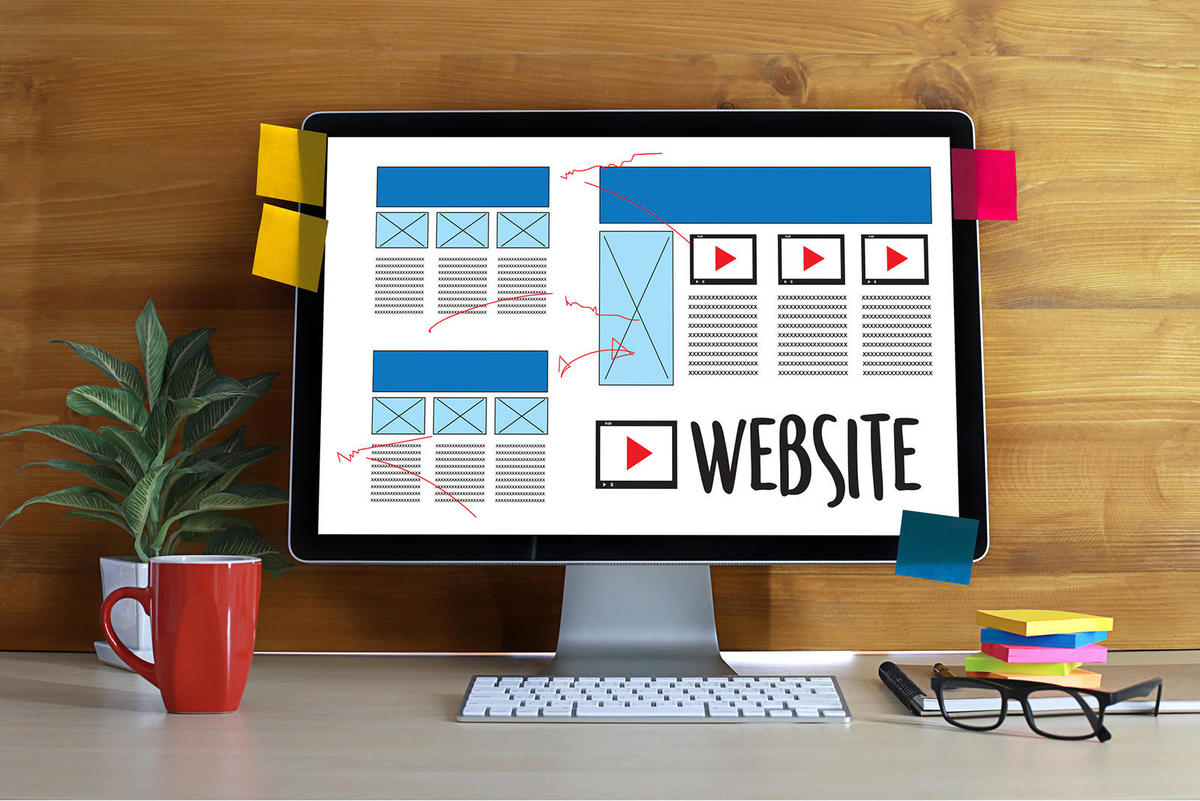
How to turn website visitors into paying customers
1. create website website how to get more customers through website is easy, first of all website is the first process of convrting into paying digital marketers.In today’s digital world, a website is not a luxury — it is a necessity. Whether you run a small business, startup, or personal brand, your website acts as your online identity. A website is a collection of web pages that people can access through the internet. It usually includes information about a business, services, products, contact details, and more Why is a Website Important? 1. Builds Credibility Today, when people hear about a business, the first thing they do is search online. If you don’t have a website, you may lose trust instantly. A professional website builds credibility and makes your brand look serious and reliable. 2. Available 24/7 Unlike a physical shop, a website works all day and night. Customers can learn about your services, send inquiries, or even make purchases anytime. 3. Expands Your Reach A physical store serves a local area. A website can reach customers globally. With proper SEO and digital marketing, your website can attract visitors from different cities and even countries. 4. Helps in Marketing All digital marketing strategies — SEO, social media marketing, paid ads, email marketing — drive traffic to a website. Your website is the center of all your online marketing efforts. 5. Showcases Your Services Clearly A website allows you to: Explain your services in detail Display your portfolio Share client testimonials Show pricing and offers Provide contact information 2.Make a strong first impression When someone lands on your website, they should instantly understand: What you offer Who it is for Why it matters your website’s first page should be impressed by who enter to your website. it should be more attractive and helpful for others. Your headline must clearly communicate your value. Avoid confusing messages. Keep it simple, direct, and benefit-focused 3.Buld trust immediately Mainly the customers don’t buy from website, instead they buy from brands they trust You can build trust by including: Client testimonials Case studies Reviews Certifications Real photos (not just stock images) Clear contact details 3. Focus on Benefits Focusing on benefits is the main key objective of this process. Mainly most of the bussines websiters are not focusing on benefits, they just featurising the websiting. Instead of: “24/7 Support” “SEO Optimization” “Fast Delivery” Explain the outcome: “Get instant help whenever you need it.” “Rank higher on Google and attract ready-to-buy customers.” “Launch your project quickly without delays.” 4. Use Strong and Clear Call-to-Actions (CTA) 5. Simplify the Buying Process If your checkout or contact process is complicated, people will leave. Reduce friction by: Minimizing form fields Offering multiple payment options Providing clear pricing Removing unnecessary steps The easier it is to buy, the more people will buy. 6. Track and Improve Continuously Conversion optimization is not a one-time task. Use tools like: Google Analytics Heatmaps A/B testing Test headlines, CTAs, colors, layouts, and offers. Small improvements can lead to big increases in revenue. conclusion Driving traffic to your website is only the first step. The real growth begins when you turn those visitors into paying customers. That happens when your website clearly communicates value, builds trust, guides users with strong calls-to-action, and makes the buying process simple and smooth. Every element on your site should have one purpose — moving the visitor closer to a decision. When you focus on user experience, highlight real benefits, and continuously test and improve your strategy, your website transforms from just an online presence into a powerful conversion tool. Remember, visitors don’t convert because of luck. They convert because of clarity, trust, and smart strategy. This is ‘How to get more customers through website’ Digital Marketing Strategist